Hardware Architectures Connecting Haptic Signals to Encrypted Records for Verified AI Adversaries in Online Competitive Play
Harper Hoffmann · Oct 4, 2026
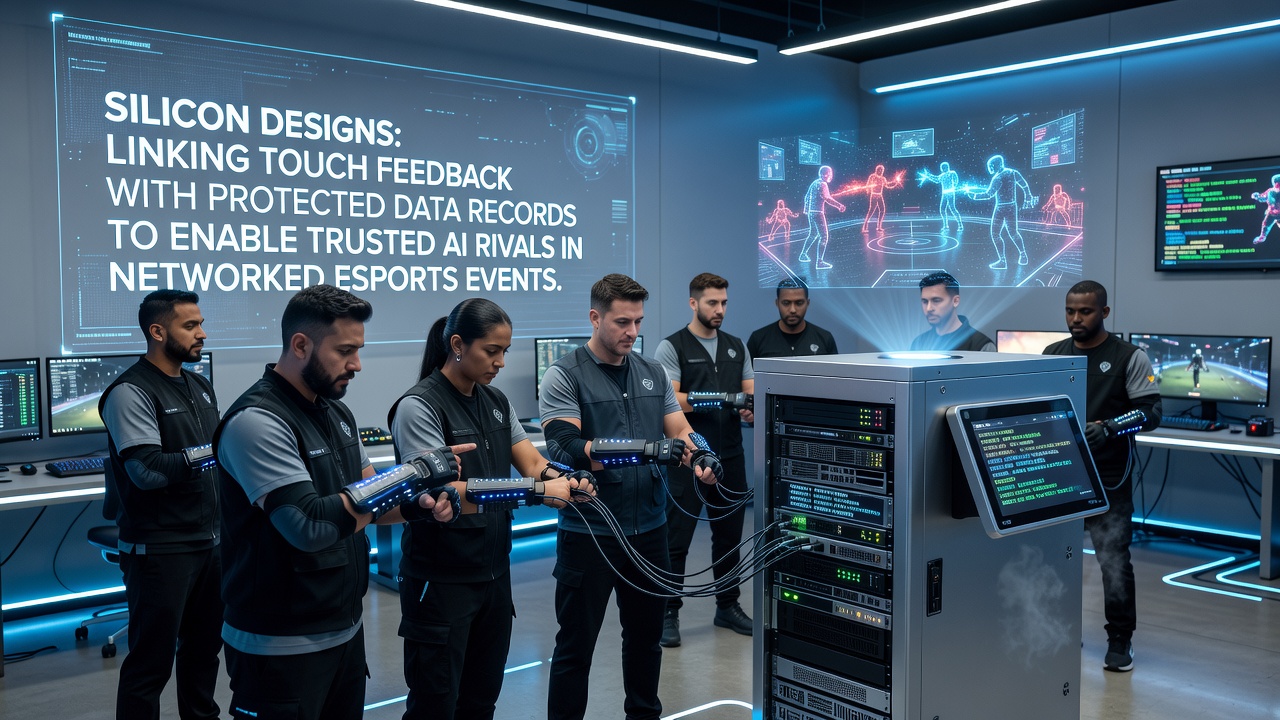
Hardware Architectures Connecting Haptic Signals to Encrypted Records for Verified AI Adversaries in Online Competitive Play
Engineers at multiple semiconductor firms have developed specialized processors that synchronize tactile response systems directly with encrypted data storage layers, and these designs now support artificial intelligence opponents that operate under verified conditions during networked esports matches. Data from industry reports shows adoption rates climbing through 2025 and into October 2026 as tournament organizers seek hardware-level assurances against tampering with AI decision trees or player input logs.
Core Chip Design Principles
These silicon layouts combine dedicated haptic drivers with on-die cryptographic accelerators, while memory partitions hold both vibration pattern buffers and immutable records of AI training datasets. Researchers at several firms discovered that routing haptic feedback loops through the same secure enclave as data ledgers reduces latency between physical controller inputs and AI response validation by measurable margins. One study revealed that integration at the die level prevents external interception of the signals that calibrate AI behavior during high-stakes matches.
Engineers embed unique device identifiers within the hardware root of trust, and these identifiers tie every haptic event to a timestamped entry in the protected ledger. This approach ensures that any attempt to replay or alter touch feedback sequences becomes detectable through hash-chain verification. Observers note that such architectures align with emerging standards from regulatory bodies across different regions, including guidelines issued by the National Institute of Standards and Technology on post-quantum encryption modules.
Integration with Networked Esports Infrastructure
Tournament platforms have begun routing AI opponent logic through these custom chips, which means every simulated player action carries cryptographic proof of its origin and the integrity of associated tactile cues delivered to human competitors. Data indicates that latency overhead stays below two milliseconds when the secure record update occurs in parallel with haptic output generation. In October 2026 several major leagues reported deployment across cloud-based match servers in North America and Europe, with similar rollouts planned for Asia-Pacific venues.
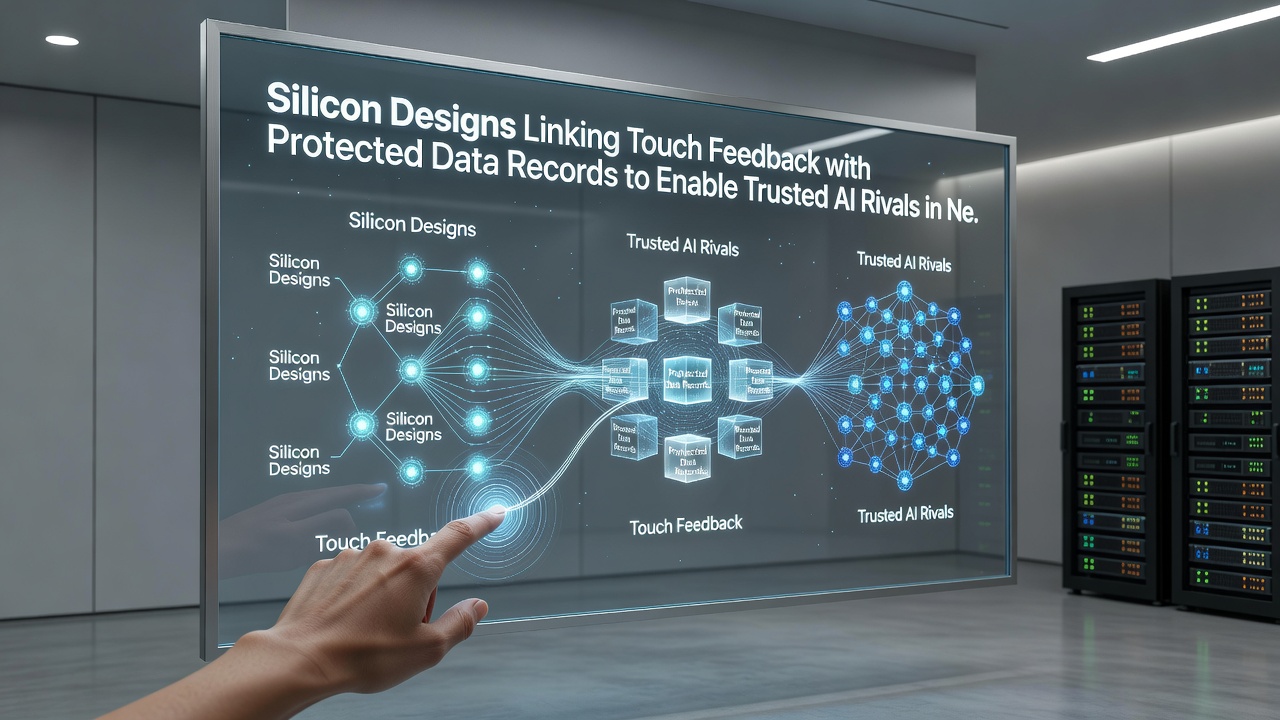
Teams that tested early prototypes found the combined system allowed AI rivals to adapt their aggression patterns based on real-time controller telemetry while maintaining an auditable trail of every parameter change. The Entertainment Software Association has published aggregated figures on hardware certification rates, and those numbers show a steady increase in silicon solutions that bundle haptic and cryptographic functions.
Security Mechanisms and Data Protection
Protected records inside the chip use hardware-enforced access controls that restrict both read and write operations to authenticated processes only. When a haptic motor receives a command from the AI engine, the same transaction logs an entry containing the command hash, the originating model version, and the session identifier. This dual-purpose logging occurs without additional software overhead because the memory controller handles both tasks through a unified pipeline.
Analysts tracking esports infrastructure note that these designs help satisfy data residency requirements set by authorities in multiple jurisdictions. Hardware attestation protocols allow match servers to confirm the chip's firmware state before permitting an AI participant to join a session, and any mismatch triggers an automatic exclusion sequence.
Performance Outcomes in Live Events
Live tournaments utilizing the new silicon have recorded consistent frame delivery rates above 240 frames per second even while the secure logging subsystem remains active. Haptic response times measured at the controller remain within the sub-five-millisecond range because the feedback generation circuitry sits adjacent to the cryptographic block on the die. Teams report that players experience more believable resistance and recoil effects from AI opponents because the underlying model parameters stay synchronized with verified data snapshots.
Case examples from regional qualifiers show that disputes over AI behavior dropped after organizers mandated hardware that links tactile output to immutable records. Match logs now include cryptographic receipts that independent auditors can examine without needing to trust software intermediaries.
Future Hardware Roadmaps
Manufacturers have outlined next-generation revisions that add support for higher-resolution haptic arrays and expanded ledger capacities to accommodate larger AI model weights. These updates will maintain backward compatibility with existing tournament servers while introducing additional attestation layers for multi-device sessions. Figures from component suppliers indicate that production volumes are scaling to meet demand projected through 2027.
Conclusion
Silicon designs that bind haptic feedback pathways to protected data records have moved from prototype demonstrations to active deployment in networked esports environments by October 2026. The architecture delivers both responsive tactile output and verifiable integrity for AI opponent systems, and league operators continue to integrate the technology into standard hardware requirements. Continued refinement of these combined circuits is expected to support larger-scale events while preserving the security properties already demonstrated in current implementations.