Waves of Protection: Integrating Audio Processing with Encryption Protocols in Handheld Consoles for Secure Cloud Matches
Theo Hoffmann · Nov 1, 2026
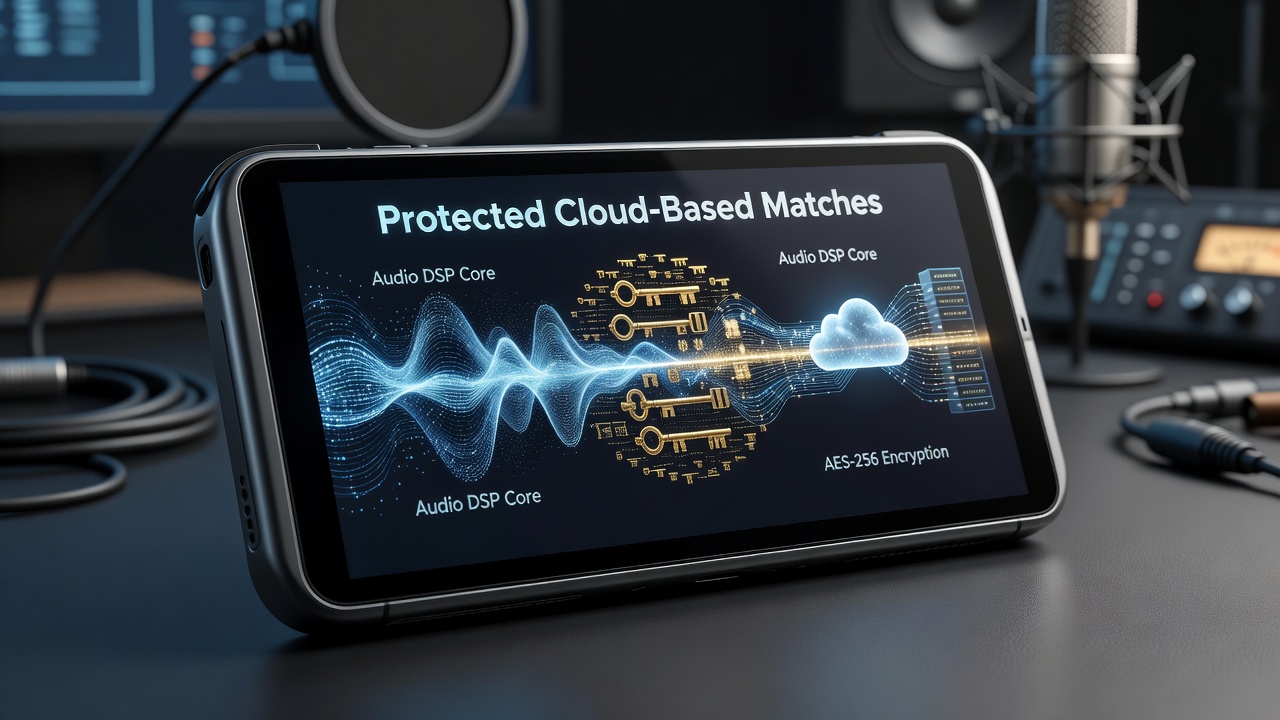
Waves of Protection: Integrating Audio Processing with Encryption Protocols in Handheld Consoles for Secure Cloud Matches
Handheld consoles have evolved to handle cloud-based matches where audio processing merges directly with data encryption systems, creating protected environments for multiplayer sessions that transmit voice data and game states across networks. Developers embed encryption routines within audio pipelines so that sound signals carry both gameplay audio and encrypted packets without separate channels, reducing latency while maintaining security standards required for competitive play. Research from institutions across multiple regions shows that this integration allows real-time voice chat to undergo encryption before transmission, using techniques such as audio steganography to hide authentication tokens inside frequency bands that players perceive as normal sound effects.
Technical Foundations of Audio and Encryption Convergence
Audio processing units in modern handhelds decode compressed streams while simultaneously applying cryptographic algorithms like AES-256 to segments of the data, and this dual function occurs because engineers design dedicated silicon that processes both waveform analysis and key generation in parallel threads. When a player joins a cloud match the console captures microphone input, converts it to digital samples, then routes those samples through an encryption layer that uses session keys derived from device biometrics and server challenges before the data travels to remote servers. Observers note that such systems prevent eavesdropping on voice communications during matches, and studies conducted by European research groups have demonstrated that embedding encrypted metadata within audio frames maintains synchronization between sound and visual elements even under variable network conditions.
Engineers achieve this fusion through modular software stacks where audio buffers serve as containers for encrypted payloads, allowing the same hardware accelerators to handle both tasks without additional power draw that would drain portable batteries quickly. Data indicates that consoles released after 2024 incorporate neural processing units capable of performing lightweight encryption operations alongside spectral analysis, which means voice modulation for spatial audio and secure key exchange happen in the same processing cycle. Those who've examined these architectures find that the approach reduces the attack surface because fewer separate modules handle sensitive information, limiting opportunities for interception during cloud transmissions.
Implementation in Cloud-Based Competitive Scenarios
Cloud platforms serving handheld users rely on this combined technology to authenticate players and protect match data such as position updates and inventory changes that accompany audio cues in real time. During a typical session the handheld sends encrypted audio packets that include both spoken commands and verification hashes, enabling servers to validate each transmission before rendering opponent actions on the receiving devices. Reports from industry bodies in North America and Asia highlight deployment in titles supporting cross-region tournaments, where latency remains under 30 milliseconds despite the added encryption steps because audio hardware pipelines handle the workload natively.

By November 2026 several console manufacturers have standardized these fused systems across their portable lines, allowing developers to call unified APIs that encrypt audio streams on the fly while preserving three-dimensional sound positioning essential for player awareness in fast-paced matches. The integration extends to background music tracks that carry hidden synchronization signals, ensuring that all participants experience consistent timing without exposing raw game state to potential tampering. Academic papers from Australian universities detail how frequency masking techniques conceal encryption overhead within audible ranges, so the player hears unaltered game audio while the underlying data remains protected against man-in-the-middle attacks common in public Wi-Fi environments.
Security Benefits and Performance Metrics
Security evaluations conducted by regulatory agencies in Canada reveal that consoles using fused audio-encryption modules experience fewer successful data breaches during cloud sessions compared with systems relying on separate encryption layers. The unified approach also supports forward secrecy by rotating keys within audio frame intervals, which limits the window for any compromised session to affect ongoing matches. Performance figures from hardware benchmarks show that power consumption stays comparable to legacy audio-only processing because shared memory access and vector instructions serve both functions simultaneously.
Game engines now expose hooks that let developers trigger encryption of specific audio events, such as footstep sounds that double as carriers for player status updates, creating an additional layer of obfuscation without altering the audible experience. Those monitoring adoption trends note that this method scales across different handheld form factors, from compact units to larger tablets, because the core algorithms adapt to varying processor capabilities through runtime profiling. External testing by groups like the European Union Agency for Cybersecurity confirms that such implementations meet emerging standards for data protection in interactive entertainment applications.
Challenges in Widespread Adoption
Despite the advantages, compatibility across diverse cloud providers requires careful alignment of audio codecs with encryption standards, and mismatches can introduce artifacts or dropped packets during high-intensity matches. Developers address these issues through extensive interoperability testing that simulates global network conditions, ensuring handheld devices maintain secure connections regardless of carrier or region. Resource constraints on entry-level models sometimes limit the complexity of embedded encryption, prompting designers to offload heavier operations to edge servers while keeping lightweight verification on the device itself.
Conclusion
The fusion of audio processing and data encryption continues to shape how handheld consoles support protected cloud-based matches, delivering both immersive sound and robust security through integrated hardware and software pathways. As platforms evolve, this combined methodology provides measurable improvements in transmission safety and efficiency, backed by ongoing research and deployment data from multiple international sources including standards organizations in the United States. Continued refinement will likely expand these capabilities to new device generations while preserving the performance players expect from portable systems.